An isolation ward exists for one reason: to stop disease from spreading between vulnerable patients. A poorly designed cat kennel cage can undermine that entire purpose within a single shift. Engineering details that seem minor often determine whether containment actually works in practice.
Contagious cases demand equipment built around containment, not just comfort or convenience for staff. Every seam, surface, and airflow path plays a role in keeping infection from spreading further. Here is what goes into engineering a cat kennel cage suited for isolation work.
Why a Cat Kennel Cage Needs Smart Design
Isolation housing carries higher stakes than standard boarding, since one mistake can expose an entire ward. A cat kennel cage built for this purpose needs features standard housing simply does not require. Every design choice should reduce the chance of pathogens moving from one patient to another.
What Makes a Cat Cage Ideal for Isolation Wards?
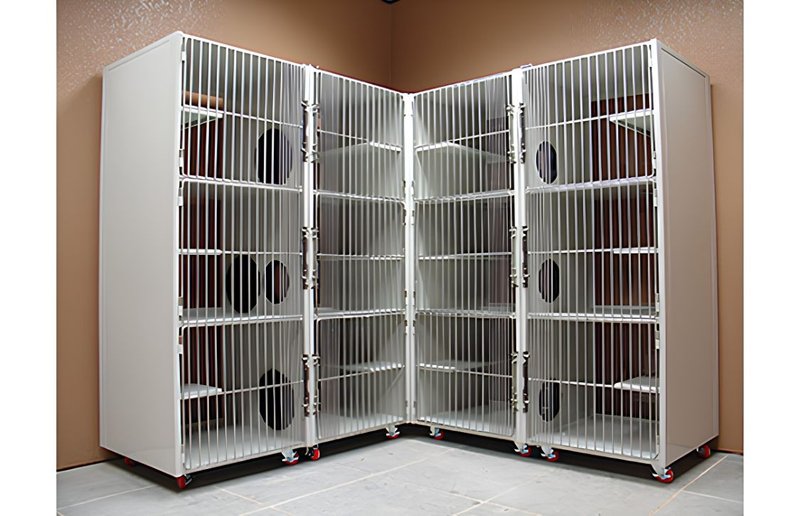
Isolation wards demand more from a cat kennel cage than standard boarding units ever will. The right design features work together to limit contact points and keep pathogens contained.
- Non-Porous Surfaces: Smooth stainless steel resists scratching and bacterial buildup, holding up to harsh disinfectants better than painted or coated finishes.
- Solid Dividers: Barriers between adjacent units stop airborne particles from drifting between separated patients.
- Sloped Drainage: A sloped floor with a dedicated drain keeps fluids from pooling near seams during cleaning.
- Rounded Corners: Eliminate hard-to-reach crevices where bacteria could survive repeated sanitizing rounds.
- Viewing Windows: Clear panels let staff monitor patients frequently while limiting unnecessary door openings and handling.
- Fewer Openings: Each opening adds a chance for pathogens to escape, so balanced design favors containment without sacrificing visibility.
A well-designed cat kennel cage balances visibility with containment instead of favoring only one priority. Getting that balance right ultimately earns staff trust in the unit over time.
Engineering Details That Protect Your Staff and Patients
Airflow deserves careful planning, since isolation wards depend on controlled ventilation to limit cross-contamination. Units positioned away from shared air returns reduce the risk of airborne spread between patients. Consult your facility’s ventilation engineer before finalizing a layout for any isolation area.
Secure, quiet latches protect both the patient and the staff member handling daily treatment rounds. A latch that requires deliberate effort to open prevents accidental escapes during a busy shift. Understanding the different types of housing available helps you choose hardware suited to isolation work specifically.
Sizing matters more in isolation than in general boarding, since patients often stay for extended periods. A cat kennel cage that feels cramped adds stress on top of an already difficult recovery. Look for durable caging materials rated for the frequent, heavy-duty sanitizing isolation work requires.
Labeling and signage integrated into the unit also help staff track protocols at a glance. A clearly marked cage reduces the chance of a costly mix-up during a hectic shift change.
Building an Isolation Ward That Works
Plan your isolation area as its own zone, separate from general boarding and treatment traffic. Dedicated entry and exit points keep staff from carrying contamination into unrelated parts of your facility. A layout like this protects both healthy patients and the staff moving between areas daily.
Equip your team with practical daily resources that make isolation protocols easy to follow. Complicated procedures get skipped during busy, understaffed shifts more often than anyone likes to admit. Review your isolation setup regularly, since disease patterns and caseloads shift throughout the year. A cat kennel cage that worked well last season might need adjustment as your caseload changes. Small, periodic reviews keep your containment protocols effective as conditions around your facility evolve.
Train new staff on these protocols before they ever handle an isolation patient alone. Hands-on practice with a cat kennel cage reduces mistakes during real, high-pressure situations. Regular drills keep your entire team confident when an actual outbreak eventually occurs.
Engineer a Safer Cat Kennel Cage Today
Containment depends on details that rarely show up in a quick equipment comparison chart. A well-engineered cat kennel cage protects your patients, your staff, and your facility’s reputation altogether. Smart design choices now prevent costly outbreaks and disruptions to your daily operations later.
TriStar Vet builds American-made isolation caging engineered around real infection control requirements and daily use. Our team understands what separates true containment equipment from standard boarding housing solutions. Explore our isolation caging collection and contact us to plan your isolation ward.