


A technician wheels a table into an exam room, then wheels it right back out an hour later. Other clinics bolt every vet table in place and never move it again. Both approaches work well, but only when matched to how your space actually functions.
Treatment areas rarely stay static as caseloads, staffing, and services shift throughout the year. Choosing between mobile and stationary configurations shapes your workflow far more than most buyers expect. Here you will find a practical comparison to guide your next equipment decision.
Comparing Mobile and Stationary Vet Table Setups
Mobile tables roll on locking casters, letting your team reposition treatment space within seconds. Stationary tables anchor permanently to the floor, trading flexibility for rock-solid stability during procedures. Each configuration solves a different problem depending on your clinic’s daily rhythm and caseload.

Should You Choose a Mobile or Stationary Vet Table?
Picking the right vet table shapes how efficiently every treatment room runs each day. The choice between a mobile and stationary setup comes down to how each room gets used.
| Feature | Mobile Vet Table | Stationary Vet Table |
|---|---|---|
| Best For | Rooms that serve multiple purposes in a single day | One dedicated room handling the same routine daily |
| Room Flexibility | Shifts between triage, treatment, and recovery as needed | Stays fixed to one clinical function |
| Space Efficiency | Lets one unit cover the work of several rooms | Needs a room dedicated to that single use |
| Integration | Moves freely, with no built-in fixtures | Pairs with built-in cabinetry, sinks, and overhead lighting |
| Long-Term Adjustment | Adapts easily as clinic needs change | Rarely needs adjustment once installed |
| Ideal Setting | Emergency clinics and smaller practices | Surgical prep or dental suites with steady use |
Use this comparison to match each table style to how your rooms actually function. When needs vary by room, a hybrid setup often delivers the best long-term value.
Weighing the Tradeoffs for Your Treatment Space
Every equipment choice comes with real tradeoffs, and vet tables are no exception here. Beyond the upfront price, cost, ergonomics, durability, and cleaning routines all shift depending on which setup you choose.
- Cost: Mobile units often need reinforced locking mechanisms, while stationary tables may require added plumbing or electrical work during installation.
- Staff Ergonomics: A mobile vet table lets shorter or taller staff reposition height quickly between patients, while stationary units adjust height within one fixed layout.
- Durability: Mobile units face more mechanical wear over time, so ask about durable equipment materials and hardware ratings before you commit.
- Cleaning Routines: Mobile bases add extra seams where grime collects, while stationary tables often integrate with wall-mounted sinks for streamlined sanitation.
Weigh these tradeoffs against how each room in your clinic actually gets used daily. The right balance keeps your budget, staff, and sanitation standards working together smoothly.
Planning Your Vet Table Configuration
Start by mapping how many procedures each treatment room handles during a typical week. Rooms with varied use cases usually favor a mobile vet table over a fixed installation. Rooms with one steady function often justify the extra stability of stationary equipment instead.
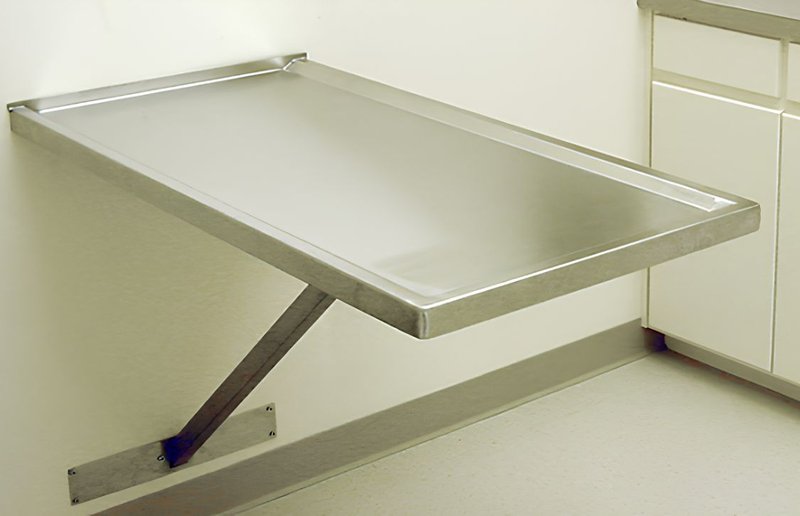
Talk with your architect or contractor early, since plumbing and drainage affect both configurations differently. Our team has fielded common construction questions from clinics planning renovations around new treatment tables. Budget for growth, since a clinic that expands services may need to reconfigure rooms later. Choosing equipment built for daily use now saves you from a costly overhaul down the road. A flexible plan today protects your investment as your practice changes and grows.
Walk through your floor plan with staff before finalizing any order for new treatment tables. Their daily routines reveal which rooms need mobility and which ones benefit from a fixed setup. As a result, this collaborative approach prevents costly guesswork once new vet tables arrive on site.
Build a Treatment Space That Works for You
Your treatment space should match how your clinic actually operates, not a generic industry template. Mobile and stationary vet table options both offer real advantages depending on your caseload and layout. Weigh cost, ergonomics, and durability together before you settle on either configuration for your rooms.
TriStar Vet manufactures American-made tables built to handle years of demanding daily clinical use. Our team helps you choose the right mix of mobile and stationary equipment for your space. Explore our exam table lineup and reach out to discuss your treatment room plans.
