


Rust creeps along a weld seam, a wheel locks up mid-transfer, and a door no longer latches shut. Old kennel banks like this put both your staff and your patients at daily risk. A clear checklist helps you decide when repair ends and replacement truly begins.
Corrosion and wear rarely announce themselves with one dramatic failure in a busy clinic. Small problems compound quietly until a mobile unit becomes a genuine liability during transport. Use this checklist to spot the signs that your kennel banks have reached the end of their service life.
Warning Signs Your Kennel Banks Need Replacing
Rust rarely stays confined to a single spot once it starts eating through painted steel. It spreads along seams and joints, weakening the very structure that holds each animal securely. Left unchecked, corrosion can compromise a locking mechanism at the worst possible moment. Work through this list during your next equipment review:
- Flaking paint or orange rust staining near welds and joints
- Doors that stick, drag, or fail to latch shut
- Wobbly, cracked, or locked-up casters
- Cracked flooring or visible gaps between panels
- Odor or staining that survives a full cleaning and sanitizing pass
- Rising staff injuries or near-misses during transport between wards
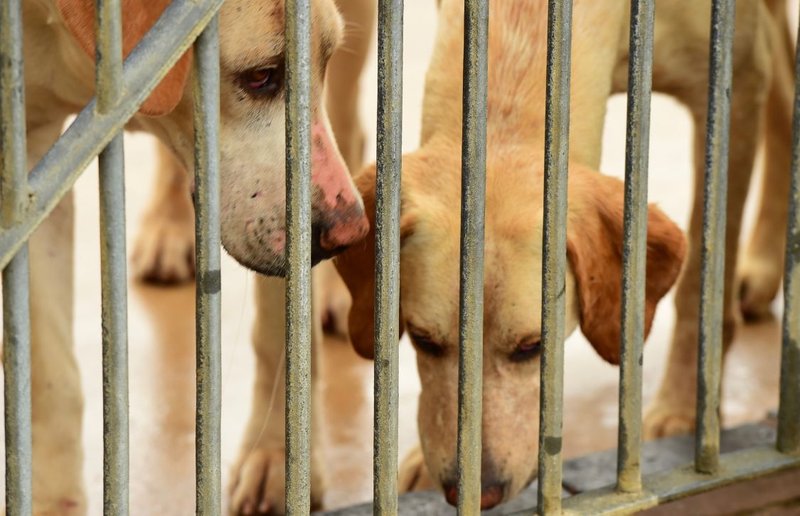
Persistent odor is often the clearest clue that porous, rusted metal has taken hold. Bacteria settle into pitted surfaces that smooth stainless steel would never allow to form. Mobility problems compound the danger, since a stuck wheel can tip a loaded unit unexpectedly. Damaged kennel banks also slow your team down during emergency transfers between wards each day. Replacing them before a full failure keeps both animals and staff protected during peak hours.
How Do You Know When Kennel Banks Need Replacing?
Watch for flaking paint, orange staining near welds, and doors that stick or fail to latch. Wobbly casters, cracked flooring, and gaps between panels signal structural fatigue building underneath. If cleaning no longer removes odor or staining, the metal itself has likely started to break down.
Persistent odor is often the clearest clue that porous, rusted metal has taken hold. Bacteria settle into pitted surfaces that smooth stainless steel would never allow to form. Once cleaning crews start reporting the same smell after every sanitizing pass, replacement belongs on your agenda.
Mobility problems compound the danger, since a stuck wheel can tip a loaded unit unexpectedly. Staff injuries climb when kennel banks resist movement during busy transport between wards. Your infection control program also suffers once rust pits become impossible to fully disinfect between patients.
Damaged kennel banks also slow your team down during emergency transfers between wards each day. Replacing them before a full failure keeps both animals and staff protected during peak hours. Our guide on ergonomic kennel design that protects your team covers more ways to cut injury risk.
What to Look for in Replacement
Stainless steel construction should top your list, since it resists rust far longer than coated alternatives. Look for an open, welded base instead of a solid bottom rail that traps grime and waste. Smooth, rounded edges protect both the animals inside and the staff moving units daily.
Locking casters matter more than most buyers realize until a unit rolls during a transfer. Choose casters rated for the full loaded weight of your largest kennel configuration. Modular panels also let you resize a unit as your caseload and species mix change.
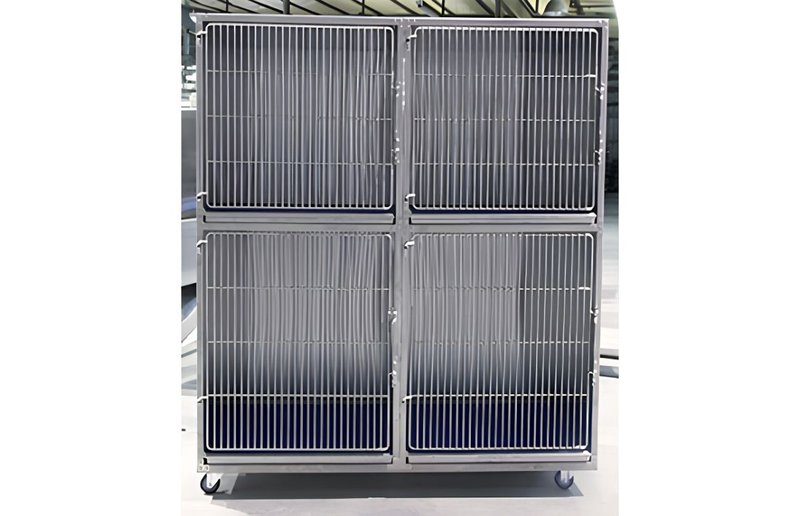
Check the warranty terms closely, since they reveal how confident a manufacturer feels about durability. A supplier offering durable caging materials backed by a strong warranty usually delivers a longer service life. Facilities using modular shelter layouts already know how much flexibility matters during daily operations. Quality kennel banks also include recessed hardware that resists snagging during daily cleaning routines. Ask for spec sheets that outline gauge thickness and weld quality before you finalize an order.
Planning a Smooth Kennel Bank Replacement
Knowing what to buy is only half the job, since timing and rollout matter too. A rushed, unplanned swap costs more and disrupts daily intake. Follow these steps to keep the transition steady:
- Budget for replacement before a failure forces an emergency purchase at a higher price
- Phase the swap, replacing a few units at a time without disrupting intake
- Let older units handle lower-risk cases while staff adjust to the new ones
- Involve cleaning and handling staff early, since they notice wear before anyone else
- Choose a manufacturer who understands veterinary facilities, not general industrial storage
- Ask about lead times early, since custom configurations often take longer than off-the-shelf options
- Confirm sizing, mobility, and finish choices with your supplier before you order
A quick walkthrough of your construction planning questions can also prevent costly layout mistakes. In turn, replacing kennel banks in phases spreads the cost across more than one budget cycle. As a result, your facility ends up with safer, more reliable housing and no large upfront expense.
Replace Your Aging Kennel Banks With Confidence
A checklist turns a stressful decision into a straightforward, manageable project for your entire team. You now know the warning signs, the features worth prioritizing, and how to plan the switch. Rusted, unreliable equipment no longer has to threaten your patients or your staff.
TriStar Vet manufactures American-made kennel banks built for the daily demands of busy clinics. Every unit ships with welded stainless steel construction and hardware rated for years of service. Explore our kennel bank collection and contact our team to plan your replacement.
