

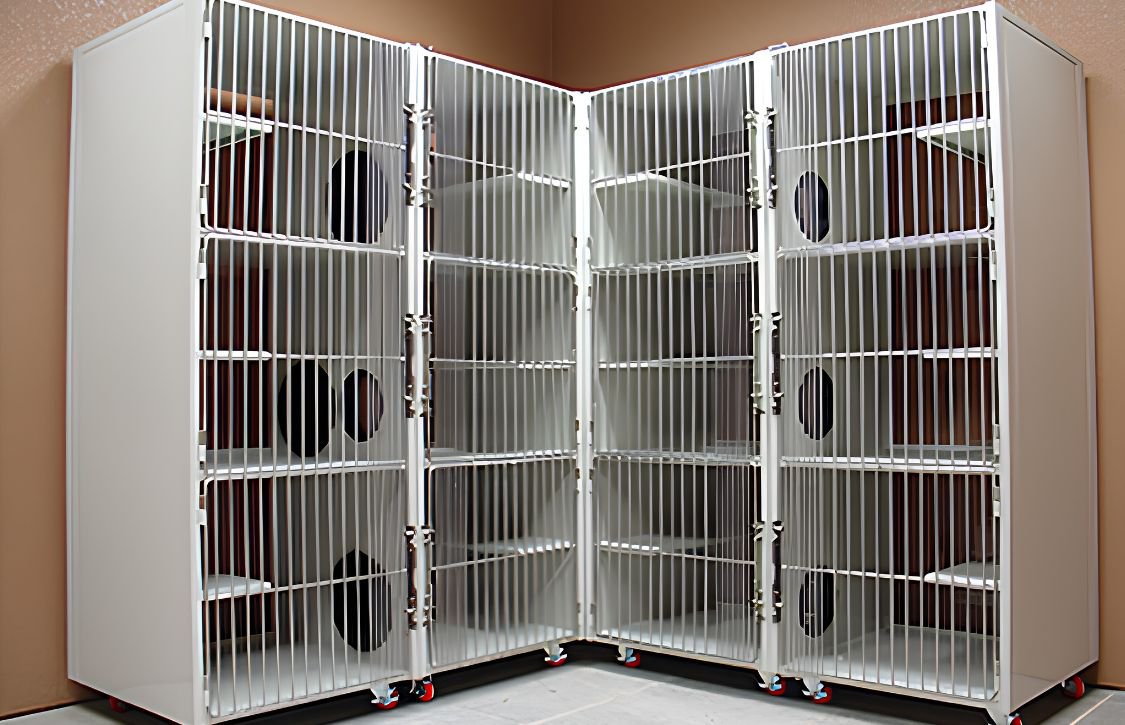
Adaptable animal housing solutions help shelters manage more animals without adding square footage to the building. Modular kennels, stackable cat condos, and reconfigurable cages all make better use of existing floor space. Choosing flexible housing now prepares your shelter for intake surges without a costly future expansion.
Many shelters still rely on fixed housing layouts that cannot adjust to changing intake numbers. A sudden influx of surrendered animals can quickly overwhelm a facility built around rigid, single-purpose units. Adaptable housing gives staff the flexibility to respond quickly without turning animals away at the door.
How Do Animal Housing Solutions Maximize Shelter Capacity?
Animal housing solutions maximize shelter capacity by using modular units that stack, resize, and reconfigure easily. Removable spacers, stackable condos, and adjustable kennel runs all help shelters fit more animals safely. Such flexibility lets shelters respond to intake surges without building new rooms or wings.
Choose Modular Animal Housing Solutions for Flexible Space
Of course, modular housing gives shelters the flexibility to adjust unit sizes as intake numbers shift. Stackable cat condos let you add single, double, or triple-height units within the same floor footprint. Dog kennels with removable spacers can expand or shrink to fit different breed sizes. Such adaptability matters most during busy seasons, when intake numbers can spike unexpectedly. Shelters with fixed housing often turn animals away simply because units cannot be resized quickly.
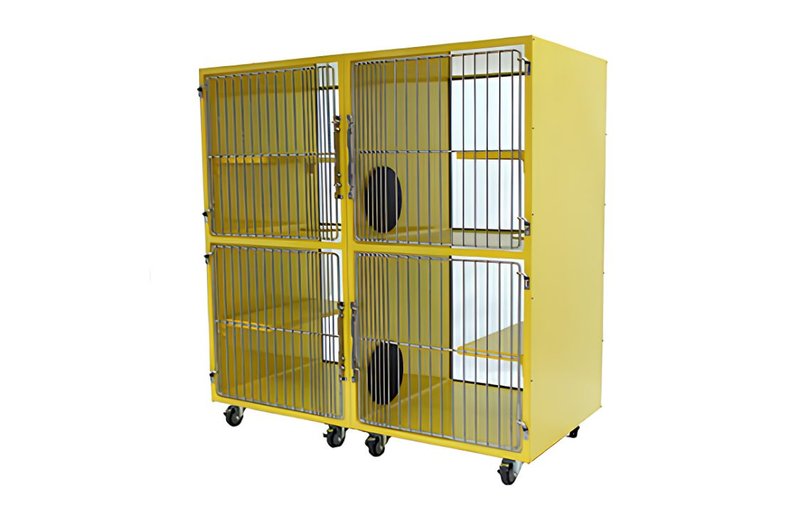
Naturally, modular animal housing solutions cost more upfront than basic fixed units bought in bulk. Such investment pays off quickly once a shelter avoids the cost of emergency overflow housing. According to Shelter Animals Count, roughly 5.8 million companion animals entered U.S. shelters in 2025 alone. Many shelters nationwide are already operating at or near full capacity because of that volume. Flexible housing gives your facility a practical way to absorb similar surges going forward.
Design Cat Condos That Support Natural Behavior
In fact, cat housing needs differ significantly from dog kennels, especially around vertical space and quiet separation. Stackable condos with horizontal and vertical passages let cats climb, hide, and observe their surroundings. Powder-coated steel resists warping and moisture damage far better than wood or particleboard alternatives.
Tempered glass backs give cats visibility into the room without compromising their sense of security. PVC ventilation tubes also help maintain fresh air quality across a full bank of stacked units. Separation matters just as much as comfort when housing cats in a busy shelter environment. Stress from noise and crowding can weaken a cat's immune system during an already vulnerable time. Thoughtful condo placement reduces that stress while still making efficient use of available space.
Reducing Stress Through Smart Placement
Positioning condos away from loud kennel areas helps cats settle in more quickly after intake. Visual barriers between units also prevent cats from feeling constantly watched by unfamiliar animals. Calmer cats tend to recover faster and show better behavior during adoption visits.
In practice, one-handed latches and built-in casters make daily cleaning and rearranging much easier for staff. Mobility matters in a shelter setting, since units often need to move during deep cleaning.
Well-designed animal housing solutions for cats reduce turnover time between adoptions and new intakes. Durable powder coating also means fewer replacement costs across years of constant shelter use. Over time, these savings free up budget for other pressing shelter needs and programs.
Support Staff Efficiency With Practical Animal Housing Solutions
Naturally, efficient animal housing solutions also reduce the physical strain of daily shelter work. Bidirectional kennel doors let staff work safely around anxious or defensive animals from either side. One-handed latches speed up feeding and cleaning routines across dozens of units every single day.
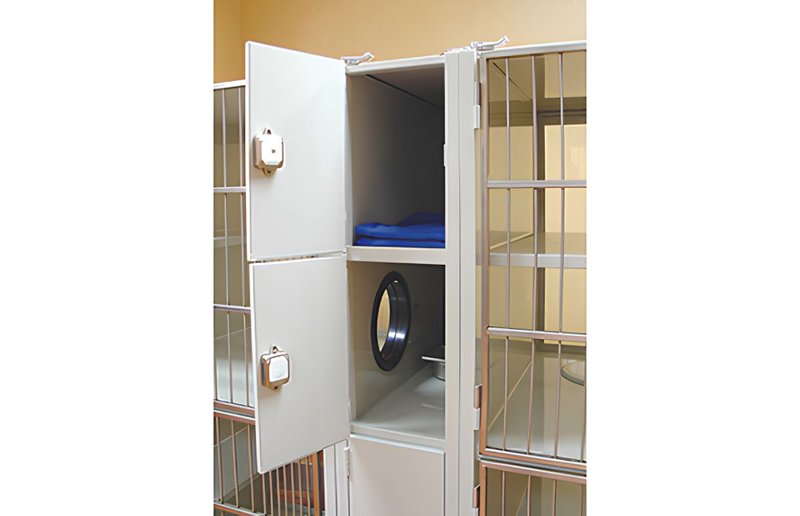
Sound-dampening features reduce stress for both animals and staff working in a loud kennel environment. A quieter, thoughtfully designed ergonomic facility often leads to calmer animals and more accurate behavioral assessments overall. For instance, raised kennel floors reduce bending and lifting during routine cleaning tasks. Protecting staff health helps shelters retain experienced workers instead of facing constant turnover.
Trench drains built into the floor also simplify sanitation across an entire row of housing units. Perforated grates keep paws safe while still allowing waste and water to drain quickly away. Better drainage reduces odor and bacteria buildup, which protects both animal and staff health.
Contact TriStar Vet to Expand Your Shelter's Housing Capacity
TriStar Vet designs modular animal housing solutions built specifically for the demands of busy shelters. Our stackable condos, adjustable kennels, and drainage systems help you fit more animals safely. We work with shelters of every size to plan housing that grows with real intake needs.
You should not have to turn animals away simply because your current housing cannot flex. Explore our boarding and housing collection to see modular options built for shelters and start planning a more adaptable housing setup for your facility.
