


Daily use in a busy practice puts real strain on stainless steel veterinary cages, so durability should guide every purchasing decision you make. Gauge thickness, weld quality, and drainage design all affect how long a cage performs without failing. Choosing wisely now saves your practice from replacing worn cages again within just a few short years.
Many clinics replace cages too often simply because the original units were never built to last. Rust spots, warped doors, and cracked seams all signal cages that were never truly durable. Understanding what separates a lasting cage from a short-lived one protects your budget for years to come.
What Makes Stainless Steel Veterinary Cages Durable Long-Term?
Durability in stainless steel veterinary cages comes down to a few construction details that are easy to overlook in a showroom but show up fast once a cage is in daily use. Here's what to check before you buy:
- Steel gauge: Look for 16- to 18-gauge construction. Lower gauge numbers mean thicker steel, and thicker steel resists dents and warping far better than thinner, lower-quality panels exposed to constant cleaning and moisture.
- Seam construction: Hand-welded, fully sealed seams keep fluids from seeping behind panels, which stops rust and bacteria from building up in places you can't clean. Bolted or riveted seams tend to loosen faster under daily vibration.
- Frame rigidity: A fully welded frame stays rigid and quiet even after years of opening and closing doors, while bolted frames start to shift and rattle much sooner.
- Door performance over time: Well-built cages keep closing and latching smoothly for years. If doors on a sample unit already feel sticky, that's a preview of how it'll perform down the road.
- What to ask your supplier: Confirm whether seams are fully sealed or just bolted together, and ask to see a floor sample in person before committing to a large order.
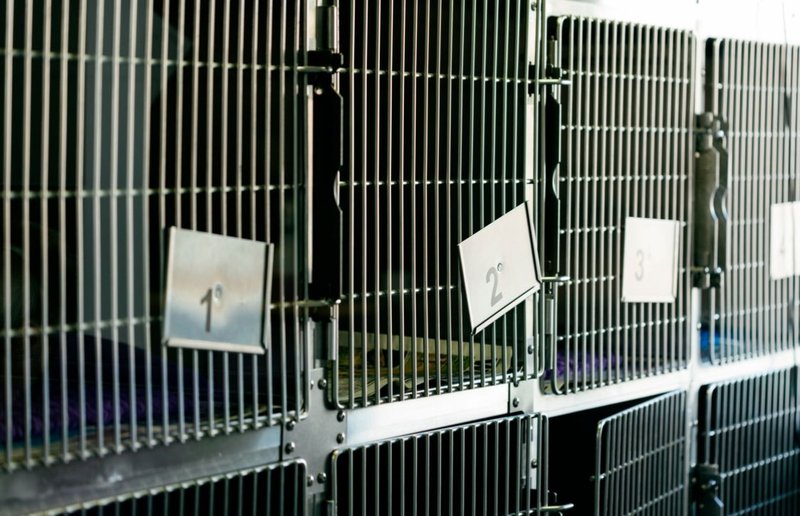
Together, these features are what let a cage handle years of loading, cleaning, and daily animal use without failing, so they're worth checking off one by one before you sign off on any purchase.
Look for Sanitation Features That Extend Cage Lifespan
Sanitation design plays a direct role in how long any holding cage stays in usable condition. Perforated subfloors let waste and liquids drain away from animals instead of pooling on the surface. Removable collection trays make daily cleanup faster and protect the steel beneath from moisture. Smooth, rounded corners also matter, since sharp seams trap grime that scrubbing alone cannot remove. Cages with hidden crevices tend to develop odor and bacteria problems no matter how often staff clean them.
Collection trays deserve special attention, since they handle the bulk of daily waste and cleanup. A well-designed tray slides out smoothly and empties without spilling onto the surrounding floor. Poorly designed trays often crack or warp within months under constant daily washing.
Why Removable Collection Trays Matter
Removable trays let staff sanitize each cage fully without disassembling the entire unit. Naturally, a tray that empties easily encourages staff to clean more regularly throughout the day. Durable trays also resist the corrosion that comes from strong cleaning chemicals over time.
According to the Bureau of Labor Statistics, animal caretakers face one of the highest injury rates of any occupation. Easy-to-clean cages reduce slip hazards and repetitive strain by simplifying daily maintenance tasks. Investing in sanitation features protects your team's safety while extending the cage's overall service life.
Well-maintained stainless steel veterinary cages also resist the odors that build up in poorly designed units. Routine sanitizing protects both patients and staff from cross-contamination between different animals in your ward. As a result, clinics with better sanitation design often see fewer infection-related complications among their patients.
Match Stainless Steel Veterinary Cages to Your Space and Patient Sizes
Of course, sizing matters as much as construction quality when you choose cages for a busy practice. Single, double, and triple-stack configurations let you fit more cages into limited treatment or ward space. Removable spacers also let you resize a cage quickly for a larger or smaller patient. Matching cage size to your typical caseload prevents wasted space and unnecessary equipment costs.
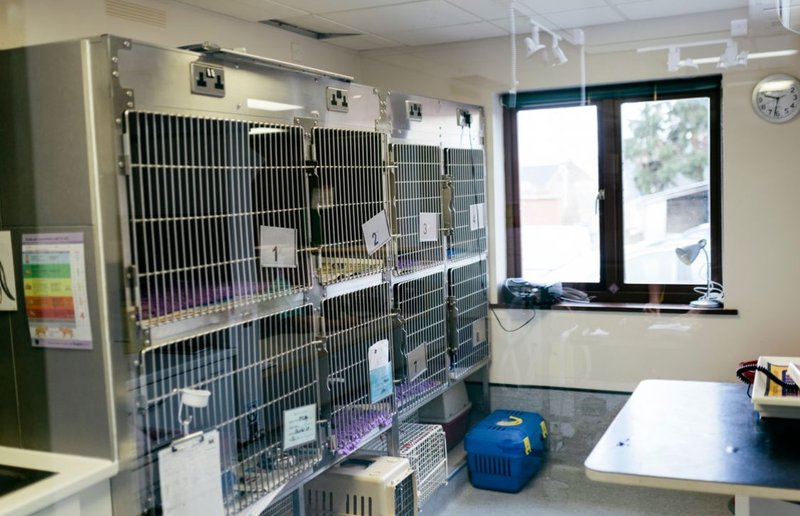
For instance, a busy small-animal clinic may need more small and medium units than large ones. A specialty surgical practice, on the other hand, often needs larger recovery cages for bigger patients. Planning around your actual caseload helps you avoid overspending on sizes you rarely use.
Once installed, well-sized stainless steel veterinary cages should serve your practice for many years without replacement. Since TriStar Vet builds cages to last, many clinics never need to repurchase holding units again. Such long-term reliability makes durable cages one of the smarter investments a practice can make.
Contact TriStar Vet for Cages Built to Outlast the Competition
TriStar Vet builds every cage from heavy-gauge stainless steel with fully welded, sealed seams throughout. Our sanitation-focused design helps clinics maintain cleaner wards without adding extra staff workload. We back our cages with decades of manufacturing experience serving veterinary practices across North America.
You deserve holding cages that perform reliably through years of daily cleaning, loading, and heavy use. Browse our stainless steel cage collection to find configurations sized for your practice.